Your Ultimate Guide To Oil Extraction
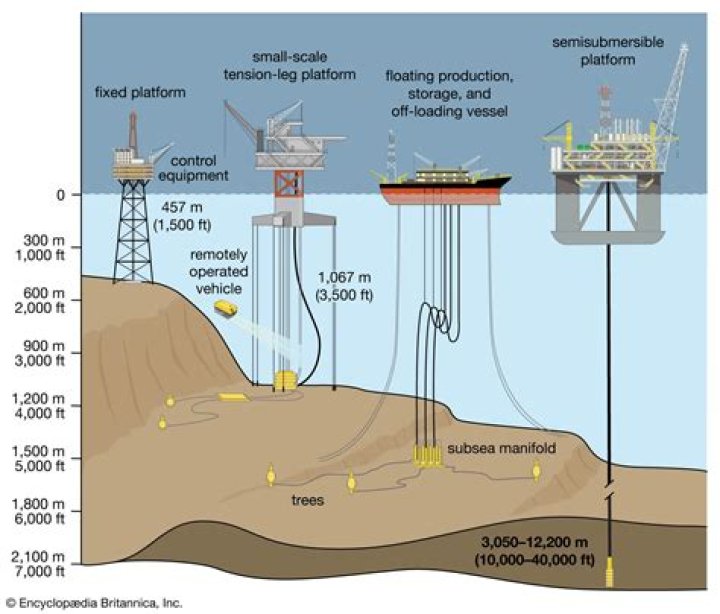
Oil extraction is the process of extracting oil and gas from the earth. It involves a complex series of steps, including drilling, pumping, and refining. The process begins with exploration, which involves searching for oil and gas deposits. Once a deposit has been found, a well is drilled into the ground. The well is then lined with a casing to prevent the escape of oil and gas. A pump is then used to extract the oil and gas from the well. The oil and gas are then transported to a refinery, where they are processed into gasoline, diesel fuel, and other products.
Oil and gas are essential to the global economy. They are used to power vehicles, heat homes and businesses, and generate electricity. Oil and gas also provide the raw materials for a wide range of products, including plastics, fertilizers, and pharmaceuticals.
The process of oil and gas extraction has a long history. The first oil wells were drilled in the United States in the 19th century. Since then, oil and gas extraction has become a global industry. Today, oil and gas are produced in over 100 countries around the world.
How Do You Get Oil?
Oil is a fossil fuel that is formed from the remains of ancient plants and animals. It is a complex mixture of hydrocarbons, and it is found in underground reservoirs. To get oil, we must first find these reservoirs. This is done through a process of exploration, which involves using seismic surveys and other techniques to map the underground geology.
- Exploration: Finding oil reservoirs.
- Drilling: Creating a well to reach the reservoir.
- Production: Extracting oil from the reservoir.
- Transportation: Moving oil to refineries.
- Refining: Processing oil into gasoline, diesel, and other products.
- Distribution: Delivering oil products to consumers.
- Marketing: Selling oil products to consumers.
- Regulation: Ensuring that the oil industry operates safely and responsibly.
The process of getting oil is complex and involves many different steps. However, it is essential to our modern economy. Oil is used to power our cars, heat our homes, and generate electricity. It is also used to make a wide range of products, including plastics, fertilizers, and pharmaceuticals.
Exploration
Exploration is the first step in the process of getting oil. It involves using seismic surveys and other techniques to map the underground geology and find oil reservoirs. These reservoirs are typically located deep underground, and they can be very large. Once an oil reservoir has been found, a well can be drilled to extract the oil.
Exploration is a critical part of the oil production process. Without exploration, we would not be able to find the oil reservoirs that we need to extract oil. Exploration is also a very expensive and time-consuming process. It can take many years and millions of dollars to explore for and find an oil reservoir.
Despite the challenges, exploration is essential to the oil production process. Without exploration, we would not be able to get the oil that we need to power our cars, heat our homes, and generate electricity.
Drilling
Drilling is a critical step in the process of getting oil. Once an oil reservoir has been found, a well must be drilled deep into the ground to reach the reservoir and extract the oil. Drilling is a complex and challenging process, and it can take several months to complete a single well.
- Components: Drilling a well requires a variety of equipment, including a drilling rig, a drill bit, and a mud pump. The drilling rig is used to rotate the drill bit, which cuts into the ground. The mud pump is used to circulate drilling mud, which helps to cool and lubricate the drill bit and remove cuttings from the wellbore.
- Examples: Drilling wells is a common practice in the oil and gas industry. In the United States, there are over one million oil and gas wells in operation. These wells vary in depth, but they can be as deep as several kilometers.
- Implications: Drilling wells can have a significant impact on the environment. Drilling mud can contaminate groundwater, and the process of drilling can release harmful gases into the atmosphere.
- Conclusion: Drilling is a critical step in the process of getting oil. However, it is also a complex and challenging process that can have a significant impact on the environment.
Production
Production is the process of extracting oil from the reservoir. It is a complex and challenging process, and it can take several months to complete a single well. Once a well has been drilled, a production platform is installed over the well. The production platform is used to control the flow of oil and gas from the well. The oil and gas are then transported to a refinery, where they are processed into gasoline, diesel fuel, and other products.
Production is a critical step in the process of getting oil. Without production, we would not be able to extract the oil that we need to power our cars, heat our homes, and generate electricity. Production is also a very expensive and time-consuming process. It can cost millions of dollars to drill a single well, and it can take several months to complete the process.
Despite the challenges, production is essential to the oil production process. Without production, we would not be able to get the oil that we need to power our modern world.
Transportation
Transportation is a critical step in the process of getting oil. Once oil has been extracted from the reservoir, it must be transported to a refinery, where it is processed into gasoline, diesel fuel, and other products. Transportation can be done by a variety of methods, including pipelines, tankers, and rail cars.
- Pipelines: Pipelines are the most common method of transporting oil. They are long, underground pipes that carry oil from production sites to refineries. Pipelines are a safe and efficient way to transport oil, and they can transport large volumes of oil over long distances.
- Tankers: Tankers are large ships that are used to transport oil across oceans. Tankers are used to transport oil from production sites to refineries in other countries. Tankers are a less efficient way to transport oil than pipelines, but they are necessary for transporting oil over long distances.
- Rail cars: Rail cars are used to transport oil from production sites to refineries in the same country. Rail cars are a less efficient way to transport oil than pipelines or tankers, but they are sometimes used when pipelines or tankers are not available.
Transportation is a critical step in the process of getting oil. Without transportation, oil could not be moved from production sites to refineries, and it would not be possible to produce gasoline, diesel fuel, and other products that we rely on.
Refining
Refining is a critical step in the process of getting oil. It is the process of converting crude oil into gasoline, diesel fuel, and other products. Refining is a complex process that involves a variety of chemical and physical processes. It is also a very important process, as it allows us to use oil to power our cars, heat our homes, and generate electricity.
The refining process begins with the separation of crude oil into its various components. This is done through a process called fractional distillation. Fractional distillation is a process that separates liquids based on their boiling points. The crude oil is heated in a distillation tower, and the different components of the oil vaporize at different temperatures. The vapors are then condensed and collected into separate containers.
Once the crude oil has been separated into its various components, these components can be further processed to create a variety of products. Gasoline, diesel fuel, and jet fuel are all made from refined crude oil. Refining also produces a variety of other products, including plastics, fertilizers, and pharmaceuticals.
Refining is a vital part of the oil production process. It is the process that allows us to use oil to power our modern world.
Distribution
Distribution is a critical step in the process of getting oil. It is the process of delivering oil products to consumers. This includes delivering gasoline to gas stations, diesel fuel to trucking companies, and heating oil to homes and businesses. Distribution is a complex and challenging process, but it is essential to ensuring that consumers have the oil products they need.
There are a variety of ways to distribute oil products. The most common method is through pipelines. Pipelines are long, underground pipes that transport oil products from refineries to distribution terminals. Distribution terminals are then used to store and distribute oil products to consumers.
In addition to pipelines, oil products can also be distributed by tanker ships, rail cars, and trucks. Tanker ships are used to transport oil products across oceans. Rail cars are used to transport oil products within a country. Trucks are used to deliver oil products to homes and businesses.
Distribution is a vital part of the oil production process. It is the process that ensures that consumers have the oil products they need. Without distribution, it would not be possible to get oil from the wellhead to the consumer.
Marketing
Marketing is the process of selling oil products to consumers. It is a critical step in the process of getting oil from the wellhead to the consumer. Marketing involves a variety of activities, including advertising, public relations, and sales promotion.
- Creating demand: Marketing creates demand for oil products. This is done through advertising and public relations campaigns that promote the benefits of oil products and encourage consumers to use them.
- Building brand loyalty: Marketing builds brand loyalty by creating a positive image of oil companies and their products. This is done through advertising and public relations campaigns that highlight the quality and reliability of oil products.
- Driving sales: Marketing drives sales of oil products. This is done through sales promotion campaigns that offer discounts, coupons, and other incentives to consumers who purchase oil products.
- Customer service: Marketing provides customer service to consumers who have questions or concerns about oil products. This is done through a variety of channels, including phone, email, and social media.
Marketing is a vital part of the oil production process. It is the process that ensures that consumers have the information they need to make informed decisions about oil products. Marketing also helps to build brand loyalty and drive sales.
Regulation
The oil industry is a complex and dangerous industry that has the potential to cause significant harm to people and the environment. Regulation is essential to ensuring that the oil industry operates safely and responsibly. Regulation can take a variety of forms, including:
- Environmental regulations: Environmental regulations protect the environment from the harmful effects of oil production and transportation. These regulations can include limits on emissions, requirements for spill prevention and cleanup, and restrictions on drilling in sensitive areas.
- Safety regulations: Safety regulations protect workers and the public from the hazards of oil production and transportation. These regulations can include requirements for safe equipment, training, and emergency response plans.
- Economic regulations: Economic regulations ensure that the oil industry operates in a fair and competitive manner. These regulations can include price controls, import quotas, and antitrust laws.
Regulation is an essential part of the oil industry. It helps to protect people and the environment from the hazards of oil production and transportation. Regulation also helps to ensure that the oil industry operates in a fair and competitive manner.
FAQs about "how do you get oil"
This section provides answers to frequently asked questions about the process of obtaining oil.
Question 1: Where is oil found?
Oil is found in underground reservoirs that are formed from the remains of ancient plants and animals. These reservoirs can be located on land or offshore.
Question 2: How is oil extracted from the ground?
Oil is extracted from the ground through a process called drilling. A well is drilled into the reservoir and a pump is used to extract the oil.
Question 3: What are the different methods of transporting oil?
Oil can be transported by pipelines, tankers, rail cars, and trucks. Pipelines are the most common method of transporting oil over long distances.
Question 4: How is oil refined into gasoline and other products?
Oil is refined into gasoline and other products through a process called fractional distillation. This process separates the different components of oil based on their boiling points.
Question 5: What are the environmental impacts of oil production?
Oil production can have a number of environmental impacts, including air pollution, water pollution, and land pollution. Oil spills can also be a major environmental hazard.
Question 6: What are the alternatives to oil?
There are a number of alternatives to oil, including renewable energy sources such as solar and wind power. Electric vehicles are also becoming increasingly popular as an alternative to gasoline-powered vehicles.
These are just a few of the most frequently asked questions about oil. For more information, please consult a reputable source such as the U.S. Department of Energy.
Transition to the next article section:
The process of obtaining oil is complex and involves a number of different steps. However, it is an essential process for meeting our energy needs.
Tips on "How Do You Get Oil"
Below are tips on the process of obtaining oil:
Tip 1: Understand the process of oil exploration.
Oil exploration is the process of finding oil and gas deposits. It involves using seismic surveys and other techniques to map the underground geology.
Tip 2: Learn about the different methods of oil drilling.
There are a variety of methods used to drill for oil, including onshore drilling, offshore drilling, and directional drilling.
Tip 3: Be aware of the environmental impacts of oil production.
Oil production can have a number of environmental impacts, including air pollution, water pollution, and land pollution. It is important to be aware of these impacts and to take steps to mitigate them.
Tip 4: Explore alternative energy sources.
There are a number of alternative energy sources available, such as solar power, wind power, and hydroelectric power. Exploring these alternatives can help to reduce our reliance on oil.
Tip 5: Conserve energy.
Conserving energy can help to reduce the demand for oil. There are a number of ways to conserve energy, such as driving less, using public transportation, and turning off lights when you leave a room.
Summary of key takeaways or benefits:
By understanding the process of oil production and the environmental impacts of oil, we can make informed decisions about how to use oil and how to transition to a clean energy future.
Transition to the article's conclusion:
The process of obtaining oil is complex and involves a number of different steps. However, it is an essential process for meeting our energy needs. By following the tips above, we can help to ensure that oil is produced in a safe and environmentally responsible manner.
Conclusion
The process of obtaining oil is complex and involves a number of different steps. However, it is an essential process for meeting our energy needs. By understanding the process of oil production and the environmental impacts of oil, we can make informed decisions about how to use oil and how to transition to a clean energy future.
As we move forward, it is important to remember that oil is a finite resource. We need to use it wisely and to explore alternative energy sources. We also need to continue to develop new technologies that will allow us to produce oil in a more environmentally friendly way.
Unveiling The Secrets Of Vanessa Marcil's Enduring Relationship
Discover The Ages Of Raquel Greenup And Cedric Richmond: Uncovering Insights Into A Changing Political Landscape
Unlock The Secrets Of K.J. Wright's Salary Net: Discoveries And Insights
Everything You Need To Know About Cooking With Neutral Oils
Oil creation and productionWhat You Need to Know